Longevity Was Never Static
Why the Body Thrives When We Stop Following the Norm
Introduction
For most of modern medicine, longevity has been treated like a formula.
Calories in. Calories out. Supplements stacked. Protocols copied. Biomarkers optimized.
The assumption is simple:
If the inputs are correct, the outcome will follow.
But nature has never worked that way.
True longevity—biological, emotional, and even spiritual—has always been adaptive, responsive, and deeply contextual. It listens. It adjusts. It converses.
One of the clearest demonstrations of this truth didn’t come from the longevity industry, the supplement world, or Silicon Valley biohackers.
It came from breast milk.
And from one scientist who refused to accept that nature was “just nutrition.”
Her name is Dr. Katie Hinde.
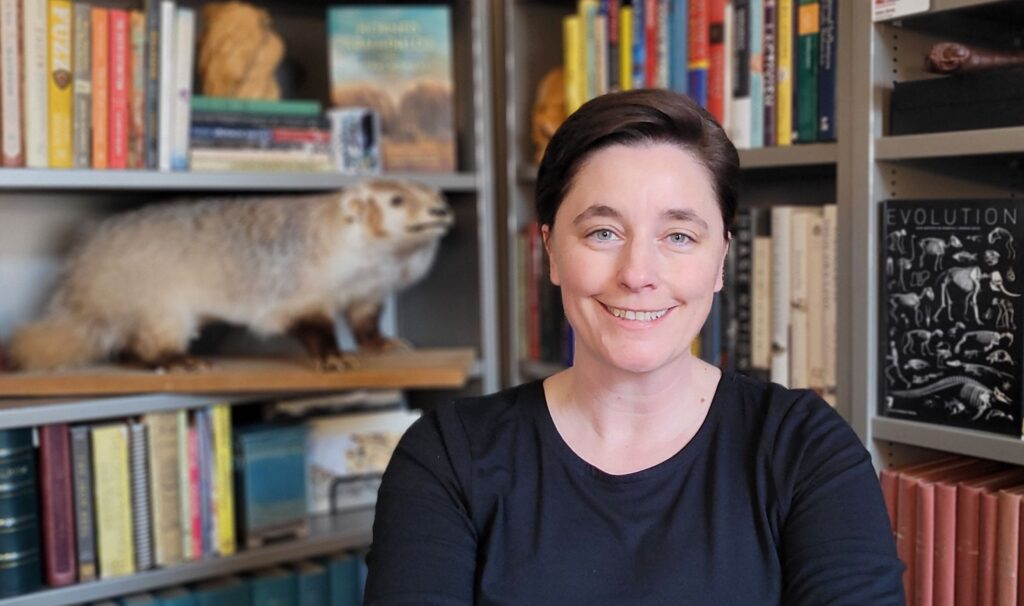
What she uncovered didn’t just reshape infant science—it exposed the greatest flaw in how we approach health, aging, and vitality as adults.
The Discovery That Should Have Changed Everything
In 2008, Katie Hinde stood in a California primate research lab staring at data that didn’t make sense.
She was analyzing hundreds of breast milk samples from rhesus macaque mothers. Thousands of measurements. Patterns that refused to behave.
One anomaly stood out immediately:
- Mothers with sons produced milk higher in fat and protein
- Mothers with daughters produced larger volumes with different nutrient ratios
The milk wasn’t standardized.
It was customized.
Her male colleagues dismissed it.
Measurement error. Statistical noise. Probably nothing.
But Hinde trusted the data. And the data kept repeating the same impossible message:
Milk wasn’t fuel.
It was information.
Milk as a Biological Conversation
For decades, science treated breast milk like gasoline—delivery of calories, fats, and sugars. End of story.
But if milk was just nutrition, why would it change based on the sex of the baby?
Katie dug deeper.

She studied over 250 mothers across 700+ sampling events, and another layer emerged:
Young, first-time mothers produced milk with lower calories but dramatically higher cortisol—the stress hormone.
The result?
Babies fed this milk grew faster, but they were also more anxious, vigilant, and reactive.
The milk wasn’t just feeding bodies.
It was shaping temperament.
Nature was preparing offspring for the world they were born into.
Then came the discovery that shattered the last remaining reductionist argument.
The Moment Science Could No Longer Ignore
When a baby nurses, tiny amounts of saliva travel backward through the nipple into the mother’s breast tissue.
That saliva carries information.
If the baby is fighting an infection, the mother’s immune system detects it—and responds.
Within hours.
White blood cell counts in milk spike. Antibody production surges. Macrophage levels quadruple.
When the baby recovers, everything returns to baseline.

This wasn’t feeding.
This was dialogue.
A biological intelligence system older than civilization itself.
Milk wasn’t static. It was responsive.
Adaptive.
Alive.
The Real Problem Wasn’t the Data
When Katie joined Harvard in 2011 and began reviewing existing research, she discovered something disturbing:
There were twice as many scientific studies on erectile dysfunction as on breast milk composition.
The most ancient nourishment on Earth—the substance that shaped every human nervous system, immune system, and metabolism—was largely ignored.
Not because it wasn’t important.
But because it didn’t fit the dominant model.
Static inputs. Predictable outputs. Control over context.
So she did what rebels do.
She started a blog called “Mammals Suck… Milk!”
“Because MILK IS INDEED AMAZING!!!! Shaped by hundreds of millions of years of natural selection, mammalian mothers liquify their own bodies to nourish (milk is food!), protect (milk is medicine!), and guide (milk is hormonal signal!) their developing bebes. Each mother producing an exquisite bespoke elixir for that baby, at that time, in that place, more unique than a fingerprint!”
Within a year, over a million people were reading it.
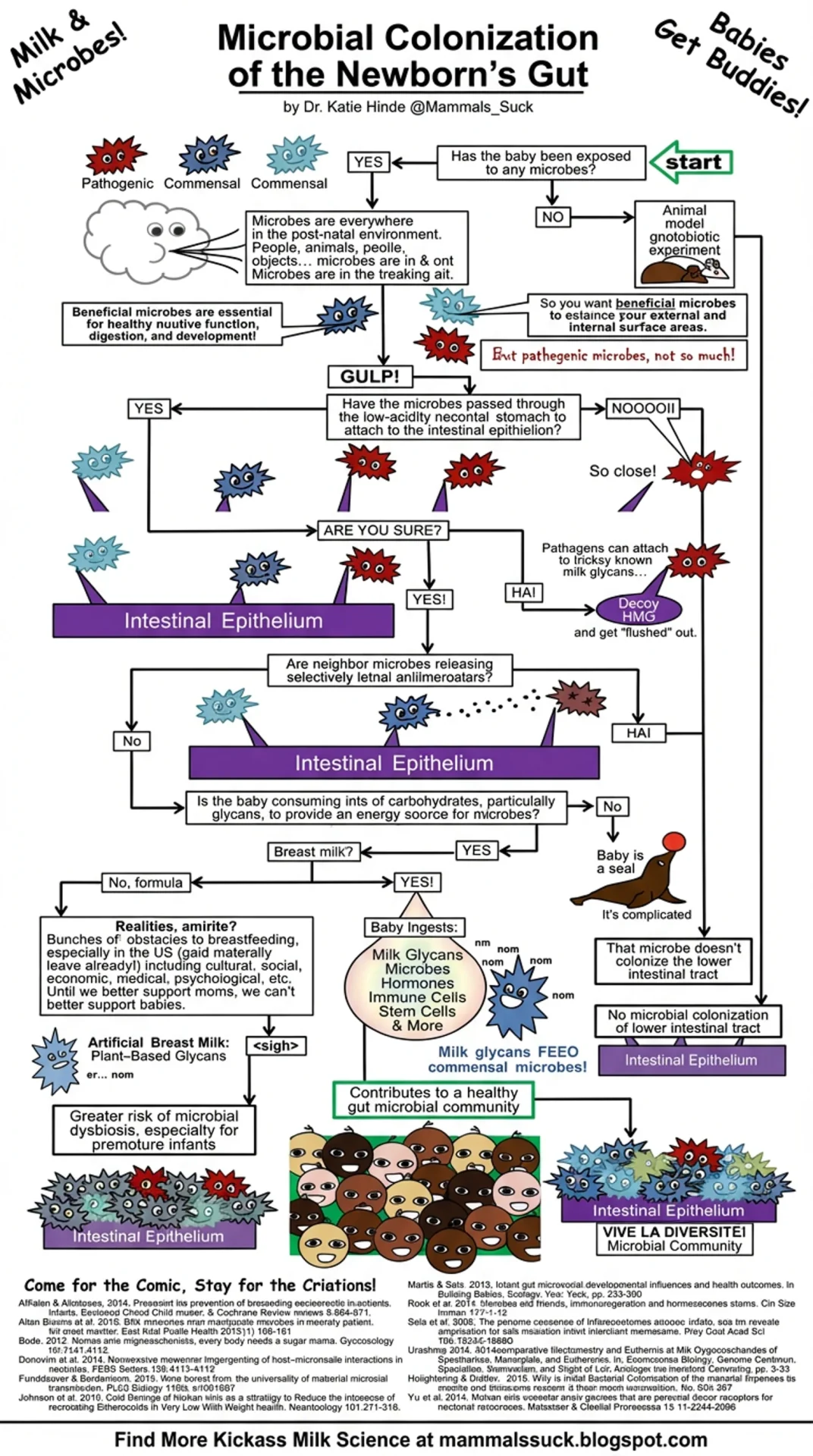
Because parents, clinicians, and scientists could feel what the data confirmed:
Nature adapts faster than our models allow.
What This Has to Do With Longevity
Here’s where this story stops being about infants—and starts being about you.
Longevity is not achieved by copying protocols built on averages.
Your nervous system is not static.
Your metabolism is not fixed.
Your immune system is not waiting for a supplement stack.

Your body is a conversation between environment, perception, emotion, movement, and meaning.
Just like milk.
Yet most longevity strategies ignore context entirely.
They assume:
- The same diet works forever
- The same training suits every nervous system
- The same stressors affect everyone equally
This is the equivalent of assuming all babies should receive the same milk.
Nature would never make that mistake.
The Katie Hinde Principle: Adaptivity Over Norms
Katie Hinde didn’t overthrow science by adding complexity.
She did it by listening.
She trusted what didn’t fit.
She honored biological intelligence over statistical convenience.
That’s the exact mindset required for modern longevity.
Despite the norm.
Despite the averages.
Despite the protocols that worked for someone else.
Longevity isn’t about forcing your body to comply.
It’s about teaching it how to respond.
Plant Molecules, Intelligence, and Ancient Conversations
This is why plant-based molecules don’t “act like drugs.”
They don’t override.
They inform.
Phytochemicals don’t bully physiology—they signal it.
They activate pathways. Upregulate resilience. Modulate inflammation. Feed microbiota.
Just like breast milk oligosaccharides—200+ compounds that babies can’t even digest, designed solely to nourish beneficial bacteria.
Nature doesn’t do waste.
It does wisdom.

And when we stop treating the body like a machine—and start treating it like a conversation—healing accelerates.
Vitality returns.
Aging slows not because we fight it, but because we adapt intelligently.
Longevity Is a Way of Seeing
Katie Hinde revealed something ancient:
The most sophisticated biological systems are not rigid.
They are responsive.
They listen.
They change based on who is receiving them and when.
Longevity works the same way.
Your body doesn’t need more force.
It needs better feedback.
Better questions.
Better alignment.
That’s why the future of longevity won’t belong to those chasing optimization metrics alone—but to those who cultivate biological awareness, emotional clarity, and adaptive intelligence.
Conclusion: The Rebel Advantage
Katie Hinde changed science because she refused to accept that half the data was “noise.”
Longevity requires the same courage.

To question the norm.
To reject one-size-fits-all answers.
To trust the intelligence already present in the body.
Nature has been refining adaptive systems for 200 million years.
Our job isn’t to dominate it.
It’s to listen again.
Call to Action
If this way of thinking resonates—if you know longevity is more than supplements, protocols, and fear-based optimization—

I invite you to join the Ageless Warriors Alliance.
You’ll also receive the first chapter of my upcoming book:
High Attitude Hiking the Hawaiian Maunas
From Corporate Burnout to Cosmic Clarity: A Rebel’s Guide to Thriving in Perilous Times
This is not about living longer at any cost.
It’s about living awake, adaptive, and aligned—for decades to come.
👉 Join the Ageless Warriors Alliance & download the first chapter now