Is SCENAR the Answer to Chronic Pain? Inside the 88.5% Success Rate Technology Your Doctor Hasn’t Told You About
Benedick Howard·July 21, 2026·0 comments
Executive Summary: SCENAR therapy represents a paradigm shift from symptom management to systemic healing through Self-Controlled Energo-Neuro Adaptive Regulation. This non-invasive electrotherapy biofeedback technology engages the body’s nervous system to recharge its natural self-healing mechanisms rather than masking symptoms. Clinical documentation from thousands of patients demonstrates an 88.5% average cure rate across musculoskeletal, digestive, respiratory, cardiovascular, and neurological conditions. Over two decades of practitioner experience and extensive clinical reports—including 7,320 musculoskeletal cases and 2,172 digestive disorder patients—confirm consistent outcomes: approximately two-thirds of patients achieve complete resolution of pathology while the remaining third show significant improvement. Unlike conventional approaches that fragment the body into isolated systems treated by separate specialists, SCENAR operates as a “Swiss Army Knife” for internal medicine by targeting the unified nervous system that governs all body functions. Applications range from chronic pain and acute trauma to palliative cancer care and neurological conditions including PTSD and phantom limb syndrome. The technology offers a documented alternative for patients seeking resolution rather than permanent management of their conditions. Consult your Doctor first.
After more than two decades of sitting across from patients, and coaching others long distance, who have tried everything, I can tell you exactly when the shift happens. It is usually about fifteen minutes into their first SCENAR session. Their eyes widen slightly, the shoulders drop, and they say something like, “I can feel it doing something.” What they are feeling is their own nervous system waking up and beginning to regulate itself again. For twenty years, I have watched this technology do what painkillers, injections, and surgeries often fail to accomplish: it resolves the underlying issue rather than masking it.
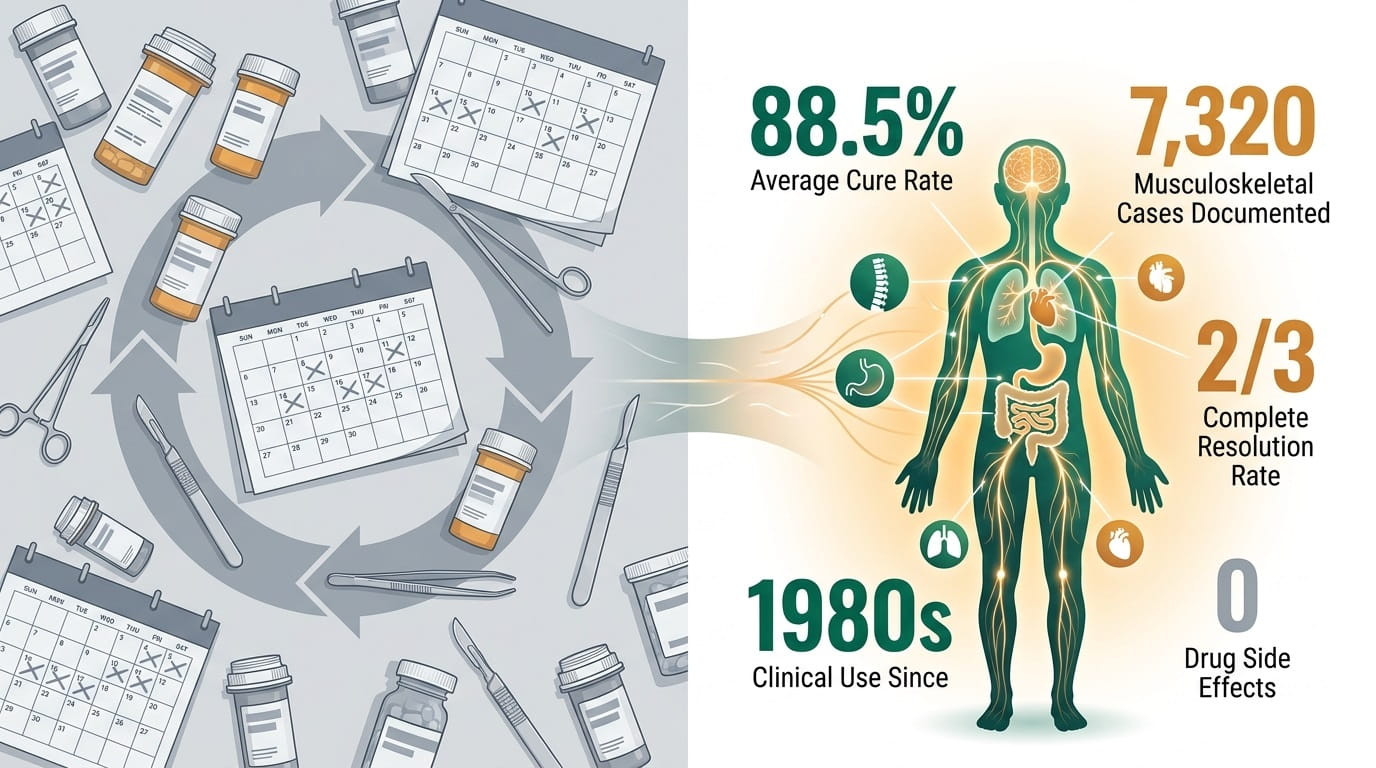
The numbers tell a compelling story. I recently revisited extensive clinical reports that confirm what I have witnessed in my own practice—a technology achieving an average cure rate of 88.5% across nearly every major body system. This is not a fringe device or experimental treatment. The evidence comes from thousands of documented cases, including a massive cohort of 7,320 patients in the musculoskeletal category alone. And yet, most physicians have never heard of it.
If you are living with chronic pain and feeling trapped in a cycle of medication and temporary fixes, this may be the most important conversation we have not been having.
The Specialization Trap: Why We Keep Managing Instead of Healing
Modern medicine has become a maze of specialists. The cardiologist treats your heart. The dermatologist handles your skin. The gastroenterologist manages your gut. While this hyper-specialization has advanced our understanding of individual organs, it has created a blind spot the size of the human body itself. We have stopped seeing you as an integrated system and started treating you as a collection of parts to be managed.
In my twenty years of practice, I have seen this play out with heartbreaking consistency. A patient arrives with chronic lower back pain. They have seen the orthopedic surgeon, the physiatrist, the pain management specialist. They have accumulated prescriptions, injections, and a growing sense that this is simply their life now. “Management” has become the accepted standard. We manage blood pressure. We manage chronic pain. We manage digestive disorders. The implication is clear: permanent patienthood is the expectation.
But the body does not work in silos. Your chronic shoulder tension may be neurologically linked to your digestive issues. Your persistent headaches may connect to old traumas stored in your nervous system. When we treat the part while ignoring the whole, we miss the regulatory breakdown that caused the symptom in the first place. SCENAR therapy operates on a radically different assumption: that the body is a single, integrated network capable of healing itself when given the right stimulus. The clinical data I have reviewed suggests that this fragmented paradigm is not just inefficient—it may be obsolete.
What Is SCENAR Therapy? Self-Controlled Healing in Real Time
SCENAR stands for Self-Controlled Energo-Neuro Adaptive Regulation. That is a mouthful, but each word matters. “Self-controlled” refers to the device operating in a feedback loop with your body. “Energo-neuro” describes its interaction with your electrical and nervous systems. “Adaptive regulation” is the key—it helps your body re-establish its own natural balance.
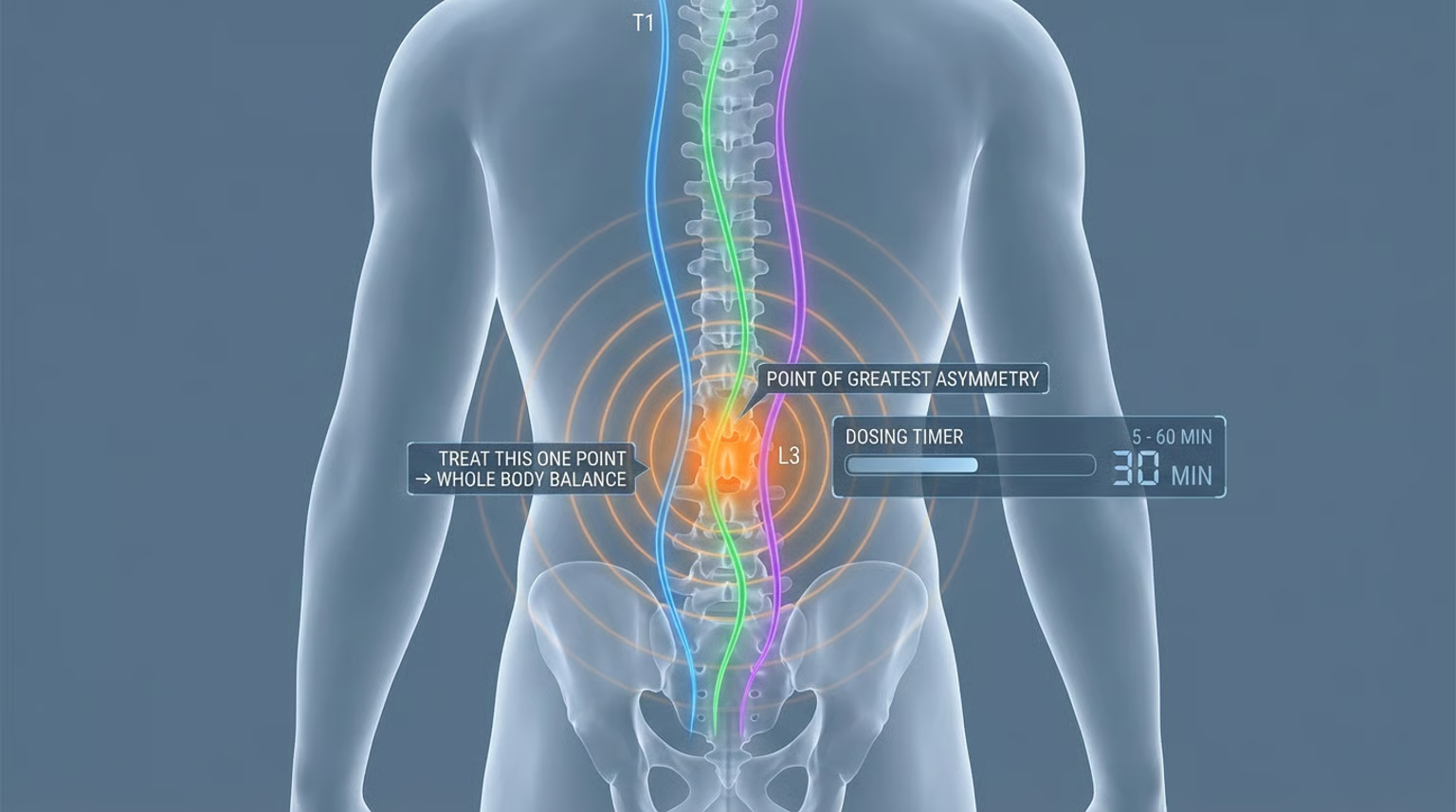
Here is how it works in practice. The SCENAR device delivers gentle, electrical impulses through the skin. These impulses mimic the body’s own natural neurological signals. Crucially, the device reads the body’s response to each impulse and adjusts the next signal accordingly. This creates a real-time conversation between the device and your nervous system. I often tell patients to think of it as a reset button to recharge their body’s communication network.
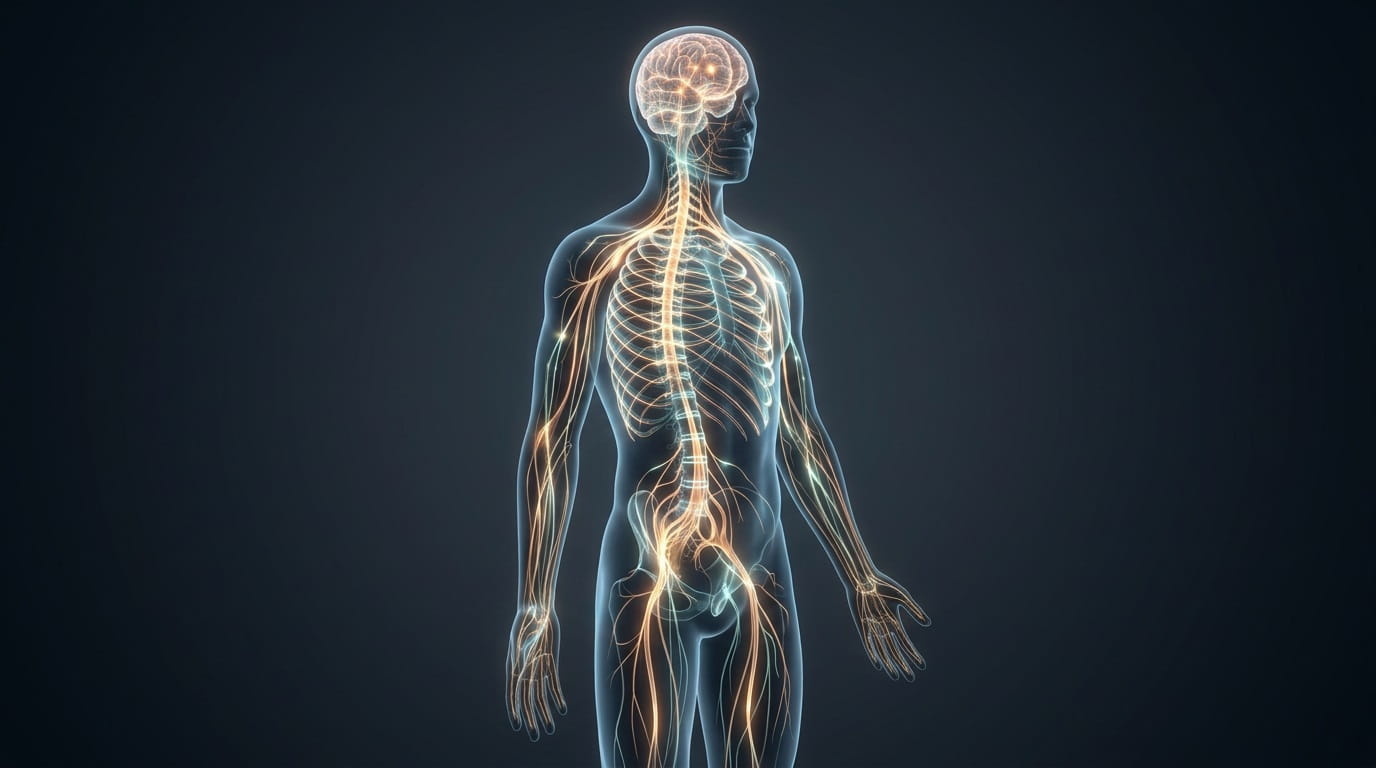
Unlike TENS units or other electrical stimulation devices that simply block pain signals, SCENAR (and DENAS) engages the body’s regulatory pathways. It prompts your nervous system to release neuropeptides, increases blood flow to compromised areas, and essentially reminds the body how to heal itself. After two decades of using this technology, I still find it remarkable that such a simple interaction—facilitating communication between the brain and the affected tissue—can produce such profound results across such diverse conditions.
The device is handheld, non-invasive, and completely drug-free. Treatment sessions typically last between fifteen and forty-five minutes depending on the complexity of the issue. There is no recovery time, no risk of overdose, and no list of side effects that require another medication to manage. In an era where opioid dependence has become a public health crisis, the implications of this approach cannot be overstated.
The Numbers Do Not Lie: Understanding the 88.5% Success Rate
As a practitioner and ex CGE development engineer, I have learned to be skeptical of miracle claims. The wellness industry is full of devices and supplements backed by small studies and enthusiastic marketing. So when I reviewed the clinical reports on SCENAR, I was looking for the catch. I did not find one. Instead, I found a consistent, repeatable pattern of results across thousands of patients that demands serious attention.
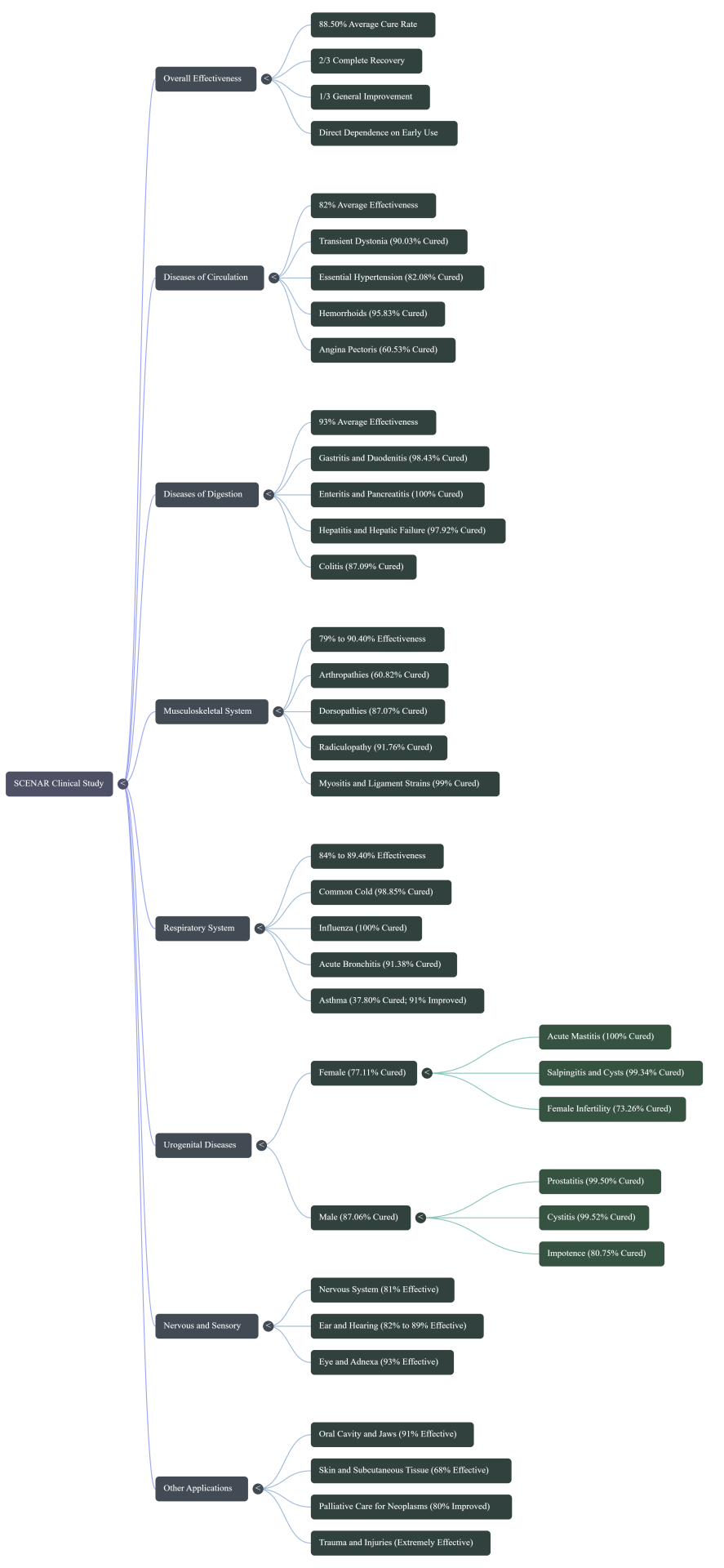
The headline figure is an average cure rate of 88.5% across multiple medical specialties. Let me break down what that actually means. In musculoskeletal disorders—the category that includes most chronic back pain, joint issues, and muscular dysfunction—researchers documented outcomes from 7,320 patients. Across this massive sample, the same ratio appeared again and again: approximately two-thirds of patients achieved what researchers classified as “Complete Cure,” meaning full resolution of the underlying pathology. The remaining one-third showed significant to moderate improvement. Not just “better managed.” Not “learned to live with it.” Actual improvement or resolution.
The digestive data is equally striking. In studies involving 2,172 patients, SCENAR achieved an 88.12% cure rate. But what caught my attention were the perfect scores. Enteritis (non-infectious): 100% complete cure. Pancreatitis, both acute and chronic: 100% complete cure. These are not minor complaints. Pancreatitis can be debilitating and dangerous. The fact that a non-invasive technology can prompt complete resolution in every documented case should have made front-page news in every medical journal.
I have seen this pattern in my own clinic. A patient arrives having suffered from irritable bowel syndrome for fifteen years, eliminated foods, tried medications, endured the frustration of inconclusive tests. After a course of SCENAR treatments, their digestive system begins regulating normally again. Not because we suppressed symptoms, but because we restored the neurological communication that governs digestive function. The clinical reports simply confirm what I have witnessed thousands of times over two decades: when you engage the body’s regulatory systems, healing follows.
The “Swiss Army Knife” Effect: One Technology, Dozens of Systems
When I first started using SCENAR, I naturally gravitated toward pain cases. That is where most practitioners begin. What surprised me—and what the clinical literature confirms—was how effectively this same device addresses pathology across completely different body systems. From a conventional medical perspective, this versatility seems impossible. How could one device effectively treat an acute myocardial infarction (documented 70.97% cure rate) and hemorrhoids (95.83% cure rate) and the common cold (98.85% cure rate)?
The answer lies in the understanding that all these conditions, regardless of location or severity, are regulated by the nervous system. SCENAR does not treat the heart differently than it treats the skin. It treats the nervous system that governs both. This is the fundamental shift from siloed medicine to systemic interactive medicine. We are not targeting the symptom. We are targeting the communication breakdown that allowed the symptom to persist.
Consider some of the documented cure rates across different categories. Acute upper respiratory viral infections: 100%. Acute mastitis: 100%. Influenza: 100%. Myositis (muscle inflammation): 99.88%. These are acute infectious and inflammatory conditions, not just chronic pain. The device appears to mobilize the body’s immune response and regulate inflammation at its source.
In my practice, I have used SCENAR for pre and post-surgical recovery, autoimmune flare-ups, anxiety disorders, and sports injuries. The principle remains the same: the body knows how to heal. It has simply lost the signal. When we restore that neurological communication, we see results that seem almost too good to be true—until you understand the mechanism. The body is not a machine with broken parts requiring replacement. It is an intelligent, self-regulating system that sometimes needs to be reminded of its own capabilities, even when your energy is flatlining from decades of stress.
Trauma, Recovery, and the “Earliest Period” Rule
One of the most immediate and visible applications of SCENAR is in trauma and injury. Whether you are a professional athlete, a weekend warrior, or someone who slipped on the stairs, recovery time matters. The clinical reports include a significant section on “Injury, Poisoning and Certain Other Consequences of External Causes.” The findings suggest a protocol that should be standard in every emergency room and athletic training facility.
The data indicates that SCENAR’s effectiveness is in “direct dependence” on the timing of treatment. The earlier the intervention, the more dramatic the results. When applied immediately following trauma—what the research calls the “earliest period after trauma”—SCENAR significantly reduces recovery timelines. This is not just about pain relief. Fractures and dislocations heal faster. Burns stabilize more rapidly. Even exhaustion from physical overexertion resolves more quickly.
Over my twenty+ years of practice, I have treated everything from acute ankle sprains to post-operative scarring. The pattern is consistent: immediate intervention equals faster, cleaner healing. This makes intuitive sense if you understand the mechanism. Early application prevents the nervous system from getting locked into defensive patterns that impede circulation and healing. It keeps the communication lines open before scar tissue and compensatory patterns set in.
For those living with chronic pain, this principle still applies. Even if your injury occurred years ago, your nervous system may still be locked in a defensive holding pattern. SCENAR can help the body recognize that the threat has passed and reallocate resources toward repair rather than protection. I have seen twenty-year-old injuries finally resolve when the body stops defending against a threat that no longer exists.
Even When Cure Is Not the Goal: Palliative and Neurological Applications
Perhaps the most humbling applications of SCENAR are in areas where medicine offers few good options. In cases of malignant neoplasms—cancer—the clinical reports are careful not to claim cure. Instead, they focus on quality of life and symptom management. What they found was remarkable. In 80% of cancer cases, SCENAR achieved marked improvement in general physical condition. More significantly, these patients experienced either complete removal or substantial reduction in their dependence on pain medication.
This is palliative care at its best. Not resigning someone to suffering with slightly better drugs, but actually engaging their regulatory systems to improve well-being without heavy pharmacological intervention. In two decades of work, I have treated patients facing terminal diagnoses who simply wanted relief without the fog of high-dose opioids. SCENAR provided that bridge.
The neurological data is equally compelling. Mental health and physical pain are neurological bedfellows, and SCENAR treats them as such. With an average effectiveness of 81% for diseases of the nervous system, the device addresses conditions that often baffle specialists. Phantom limb syndrome, PTSD, cardiac neurosis, paralysis recovery—conditions where the problem is fundamentally neurological rather than structural. By re-engaging the nervous system’s plasticity and regulatory capacity, we see recovery where traditional approaches see only management.
I have treated veterans with PTSD who had exhausted every pharmaceutical and therapeutic option available. I have worked with stroke patients recovering motor function years after the medical establishment declared their progress plateaued. The nervous system remains plastic throughout life if we know how to speak its language. SCENAR appears to be a dialect the body understands.
“I am making progress, my voice is stronger, stress levels dropped. I am really relaxing, this is a game changer.” Claudia Erland – Retired Senior Leader of Navy Intelligence, USA
“You’re helping people, I start to make the best of myself too.“ Dr Roberto Giradi MD Neurosurgeon – Bologna, Italy
“When I talk to my friends about buying a device I always emphasize the great training that you provide.” Dr David Ridley MD – Ft. Luaderdale FL
“This is a fantastic tool! I now get my athletes back on track 2X Faster!” Chris Hoffman – Gold Medalist Sports Coach
Key Takeaways: What You Need to Know About SCENAR Therapy
If you have made it this far, you are likely wondering whether SCENAR therapy is the answer you have been looking for. After twenty+ years of using this technology and reviewing the extensive clinical documentation, here are the essential points to remember:
First, the data is substantial and consistent. We are not talking about small pilot studies or anecdotal testimonials. The 88.5% average cure rate comes from thousands of documented cases across dozens of medical specialties. The 2/3 “Complete Cure” ratio appears with remarkable consistency across musculoskeletal, digestive, respiratory, and cardiovascular applications.
Second, this is not symptom management. Unlike painkillers that mask discomfort or anti-inflammatories that temporarily suppress immune response, SCENAR engages your body’s own healing mechanisms. The goal is resolution, not maintenance. When treatment is complete, you should not need ongoing sessions to maintain the improvement.
Third, timing matters but is not everything. Immediate treatment post-injury yields the fastest results, but chronic conditions—even decades old—often respond because they frequently represent persistent neurological patterns rather than irreversible structural damage.
Fourth, safety is established. SCENAR is non-invasive, drug-free, and has been in clinical use since the 1980s. Side effects are minimal and typically limited to temporary fatigue or mild detoxification responses as the body processes released waste products.
Finally, you may need to look outside the conventional system. Most physicians have never heard of SCENAR. This is not because the technology is experimental, but because medical education and practice remain entrenched in the pharmaceutical and surgical models. The data has been available for years. The practitioners train in specialized programs outside standard medical curricula.
Your Next Step
You do not need another referral to another specialist who will offer you another prescription. You need your nervous system to remember how to regulate itself. Whether you are dealing with chronic back pain that has resisted every intervention, a recent injury that you want to heal cleanly, or a complex condition that seems to span multiple body systems, the consultation is the logical next step.
The DENAS Quiz — 5 Questions
What Pains You?
The DENAS can do a lot — but what will it actually take for your case? Five questions, an honest read, no email required. Your result appears right here instantly.
FLAT0%FULL CHARGE
Your Read
The Fresh Signal
"The wire's still hot. That's the good news."
Your pain is recent — and recent means responsive. The signal hasn't gone quiet yet, so the tissue still answers when you talk back to it electrically. In my experience this is the most straightforward case the DENAS handles: short, frequent sessions on and around the site while the area is still reporting. Get ahead of it now — a fresh signal left alone is how a fresh signal learns to become a permanent one.
What it'll take: the least of any read here — steady sessions over a couple of weeks, not a long campaign.
Your Read
The Stuck Signal
"A circuit that went silent can be switched back on."
This pain has overstayed. Long-standing pain isn't louder — it's quieter: the nervous system stopped flagging the area and routed around it, which is exactly why pushing harder rarely moves it. The DENAS works the other direction — it re-opens the conversation with tissue that went off-line, reading the skin's response and adjusting until the region starts reporting again. Honest version: the sick-care system spent years teaching this pain to stay put. Re-teaching it takes more than one sitting.
What it'll take: a real protocol — repeated sessions over weeks, tracking the small shifts, not a single miracle afternoon.
Your Read
The Drained Battery
"This isn't a broken part. It's a flat charge."
You didn't describe one spot — you described empty. That points away from local pain and toward voltage: the whole system running under-powered, mornings that start at zero, a battery that won't hold. In my view this is the most misread complaint in the sick-care system, because there's no single site to scan. The DENAS approach here is systemic — working key zones to help the body raise its own cellular voltage rather than chasing one symptom. Think recharge, not repair.
What it'll take: a whole-system rhythm rather than spot-treatment — slower to feel, deeper when it lands.
Your Read
The Deep Tangle
"Several breakers, tripping at once. We take them one at a time."
Pain, fatigue, wired-and-tired nights — all feeding each other. A tangle is the hardest read here, and I won't pretend otherwise: when several systems are down at once, no single session untangles it. The DENAS earns its place precisely because it works the whole signal chain — but the work is layered. You loosen one thread, the next gets easier, and the order matters. If you want it done right, this is a partnership, not a gadget you point at the sore bit.
What it'll take: the most of any read on this quiz — a sequenced approach and the patience to let each layer settle before the next.
Want it in writing — and a straight read on your case?
Your result stays right here, free. But if you'd like the summary in your inbox plus a spot on my list, drop your name and email — then grab a quick consult and I'll give you the honest version for your specific situation. No autoresponder voice. Me.
You'll also receive 4 weeks of my Ageless Warrior Alliance members-only Sunday Briefings. Unsubscribe any time.
After over two+ decades of watching SCENAR transform lives that had been written off as permanently damaged, I am no longer surprised by the results. But I remain passionate about getting this technology into the hands of the people who need it. The medical revolution is not coming from a new pill or a more sophisticated surgery. It is coming from remembering that the body is an intelligent system capable of profound self-healing when we engage it correctly.
Reach out through the Quiz. Discover if SCENAR therapy is the bridge between where you are now and where you want to be—with your body functioning as the integrated, self-healing system it was designed to be.
FAQs
1. What is SCENAR therapy and how does it work?
SCENAR stands for Self-Controlled Energo-Neuro Adaptive Regulation. It is a non-invasive biofeedback technology that interacts with the body’s nervous system to stimulate its natural self-healing mechanisms. The device sends dynamic electrical impulses that adapt in real-time to the body’s responses, engaging the body’s internal regulatory pathways to resolve underlying pathology rather than merely masking symptoms.
2. What is the success rate of SCENAR therapy for chronic pain?
Clinical reports demonstrate an average cure rate of 88.5% across multiple body systems. In musculoskeletal applications involving 7,320 patients, SCENAR achieved a high rate of complete recovery. For chronic pain specifically, approximately two-thirds of patients experience what is classified as “Complete Cure,” while the remaining third show significant to moderate improvement.
3. Is SCENAR therapy safe and FDA-approved?
SCENAR technology has been used clinically since the 1980s and is approved for medical use in numerous countries. It is non-invasive, drug-free, and works by interacting with the body’s own regulatory systems rather than introducing foreign substances. Treatment sessions typically last 15 to 45 minutes with no recovery time required.
4. What conditions can SCENAR therapy treat besides chronic pain?
Clinical studies show effectiveness across nearly every major body system. Documented successes include musculoskeletal disorders, digestive conditions (88.12% cure rate), cardiovascular issues, respiratory infections, neurological conditions including PTSD, and even palliative care for cancer patients. The technology’s systemic approach allows it to address conditions that traditional siloed medicine struggles to resolve.
5. How does SCENAR compare to traditional pain management?
Unlike traditional pain management which often focuses on symptom suppression through medication, SCENAR targets the nervous system to resolve the root cause of dysfunction. Where conventional treatment may require ongoing drug dependency, SCENAR clinical reports indicate a pattern of complete recovery in approximately two-thirds of cases and reduced medication dependence in palliative applications.
Why, given these numbers, is this technology still the most versatile medical tech you’ve never heard of?
The data is here. The results are documented.
The only thing missing is a healthcare system brave enough to embrace the whole person, good luck! Instead, send me an email from the contact page no need to wait any longer. Talk soon.